


Menu
How Spicy Is Indian Food, Really? A Spice Level Guide for First-Timers
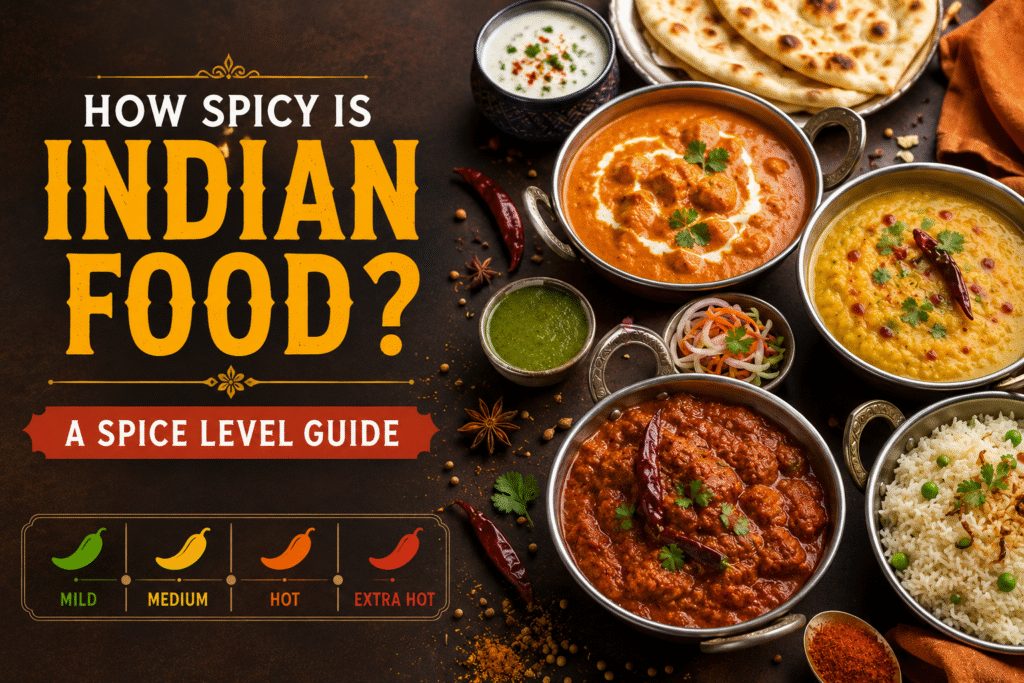
It’s one of the most common questions first-time guests ask before they even open the menu: how spicy is Indian food, really? The honest answer is that it depends entirely on the dish, not the cuisine as a whole. Indian cooking uses spices for flavor, color, and aroma far more often than for heat, which means there’s an enormous range between the mildest and the fieriest dishes on the menu. This guide breaks down what “spicy” actually means in Indian cooking, how heat levels vary by dish and region, and how first-timers at Rohan’s Indian Bistro can order with confidence instead of guesswork.
“Spices” and “Spicy” Aren’t the Same Thing
This is the single biggest misconception about Indian food. A dish can be loaded with spices — turmeric, cumin, coriander, cardamom, cinnamon — and still be perfectly mild, because most spices are used for flavor and aroma, not heat. The actual heat in a dish comes from a much smaller list of ingredients: chili peppers, black pepper, and chili powder.
So when someone asks how spicy is Indian food, what they’re usually really asking is how much chili heat a dish contains — and that varies enormously from region to region and dish to dish.
Why Spice Levels Vary So Much Across India
India is a massive country with dramatically different regional cuisines, and heat levels shift accordingly. North Indian dishes, especially creamy curries like butter chicken and korma, tend to be milder, balanced with cream, butter, and yoghurt that mellow out the chili. South Indian and coastal dishes often lean spicier, using fresh green chilies more liberally alongside tangy, tamarind-based flavors.
Because of this range, there’s no single answer to how spicy Indian food is — the cuisine spans everything from gentle, creamy dal to fiery vindaloo, often within the same restaurant menu. That’s exactly what makes exploring an Indian menu so rewarding: there’s genuinely something for every spice preference.
Mild Dishes for First-Timers
If you’re new to Indian food or dining with kids, plenty of dishes are naturally gentle. Butter chicken is creamy, mildly sweet, and rarely overwhelms even sensitive palates. Dal makhani, a slow-cooked black lentil dish, is rich and comforting with only a gentle warmth. Korma, made with a yoghurt or nut-based gravy, is one of the mildest curries on most menus, and plain naan, rice, and raita (a cooling yoghurt side) can help balance any dish that turns out spicier than expected. These dishes are a great way to ease into Indian cuisine without any surprises.
Also Read: What To Order At An Indian Restaurant For The First Time
Medium-Heat Dishes to Try Next
Once you’re comfortable with the milder end, dishes like chicken tikka masala offer a step up — spiced, tangy, and warm without being aggressive. Chana masala, a chickpea curry, and many tandoori-style grilled dishes also sit comfortably in the middle of the spice spectrum, offering more character and warmth than the creamiest curries while still remaining approachable for most diners.
Spicier Dishes for Heat-Seekers
For guests who genuinely want heat, vindaloo is a great place to start — a fiery, tangy curry with Goan roots known for its bold chili kick. Many South Indian dishes, along with certain spicy curries and chutneys, also bring real heat for those who want it. At Rohan’s Indian Bistro, these dishes are prepared to deliver genuine warmth without sacrificing flavor, so the heat always has a purpose rather than simply overwhelming the palate.
How to Order the Right Spice Level
The easiest way to navigate spice levels is to simply ask. Most Indian restaurants, including Rohan’s Indian Bistro, can adjust the heat of many dishes on request, whether you want something milder or a little bolder than the standard preparation. When in doubt, start with a well-known mild dish like butter chicken or korma, and work your way toward spicier options like vindaloo as you get a feel for your own tolerance.
Pairing rice, naan, or raita alongside spicier dishes also helps balance the heat, so you can enjoy bold flavors without feeling overwhelmed. There’s no need to guess — our servers are always happy to guide you toward the right dish for your spice comfort level.
Also Read: What to Order at Rohan’s Indian Bistro — A First-Timer’s Guide to Indian Food in Glassboro
The Role of Spices Beyond Heat
It’s worth remembering that the vast majority of spices used in Indian cooking, from turmeric and cardamom to cinnamon and fenugreek, contribute color, aroma, and depth rather than heat. This is exactly why a dish can taste incredibly complex and richly spiced while still being completely gentle on the palate.
Understanding this distinction changes how you read a menu entirely — a dish described as “spiced” isn’t automatically a dish that will leave you reaching for water, and that single insight makes exploring Indian cuisine far less intimidating for first-timers.
A Few Tips Before Your First Visit
If you’re dining as a group with mixed spice tolerances, ordering a spread of both mild and spicier dishes lets everyone build their own plate rather than compromising on a single heat level. Keep a glass of water or lassi nearby, though a bite of rice or naan actually cools the palate more effectively than water alone.
Most importantly, don’t let the question of how spicy is Indian food keep you from trying it. With so many mild, flavorful options on the menu, there’s an easy entry point for absolutely every guest at Rohan’s Indian Bistro, no matter how adventurous — or cautious — their palate happens to be.
Conclusion
So, how spicy is Indian food, really? It ranges from gentle and creamy to genuinely fiery, and the cuisine’s real strength lies in that range rather than any single heat level. Understanding the difference between “spiced” and “spicy” is the key to ordering confidently, whether you’re after comfort or a real kick.
Not sure where to start? Visit Rohan’s Indian Bistro and let our team guide you to the perfect spice level for your first bite.