


Blogs
Is Ghee Healthier Than Butter or Oil?
Is ghee healthier than butter? It is one of the most common questions we hear at Rohan’s Indian Bistro, usually from someone who has just tasted a dal or a hot roti and wants to know why it tastes so rich. The short answer: ghee is better than butter for high-heat cooking and for people who struggle with lactose, but it is not a health food you can pour freely. Like every fat, it works best in small amounts.
Let us go through it properly, without the hype.
What Exactly Is Ghee?
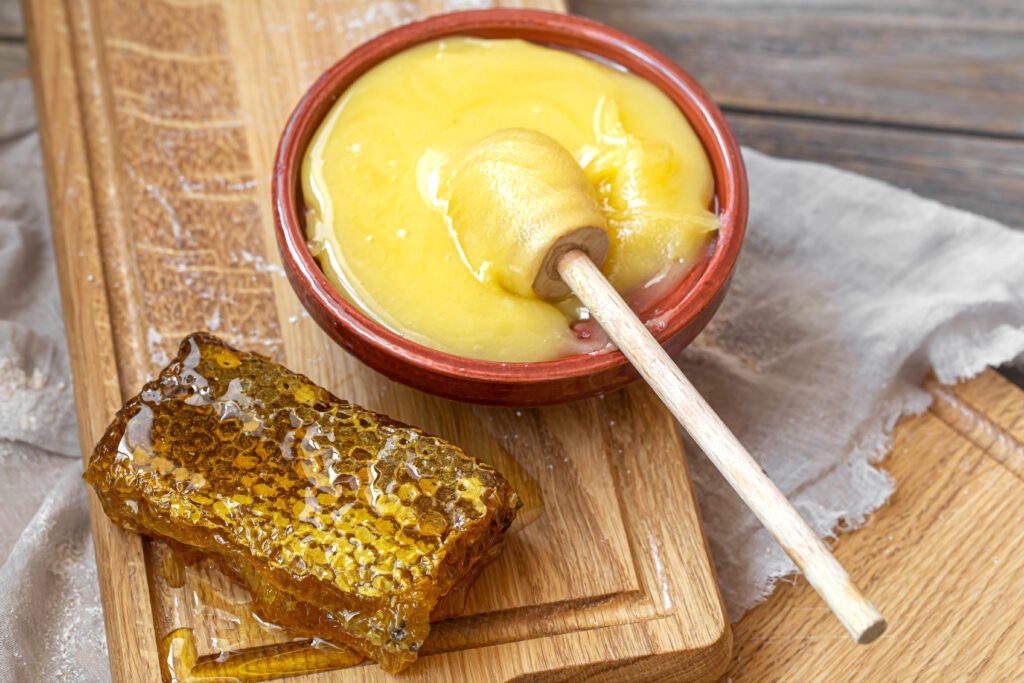
Ghee is butter that has been simmered slowly until the water cooks off and the milk solids sink and turn golden. Those solids are strained out, and what is left is pure, clear butterfat with a nutty, toasted smell.
It has been used in Indian kitchens for thousands of years. It keeps for months without a fridge, it does not burn easily, and a single spoon can change the whole character of a dish.
Ghee vs Butter: What Is the Real Difference?
Butter is about 80 percent fat. The rest is water and milk solids, which carry lactose and casein. Ghee is almost 100 percent fat because all of that has been removed.
That one difference explains almost everything:
- Smoke point: Butter starts to burn at around 350°F. Ghee holds steady up to roughly 450°F or higher, so it is far better for frying, searing and tempering spices.
- Lactose and casein: Ghee has only trace amounts. Many people who feel bloated after butter find ghee much easier on the stomach.
- Shelf life: Butter spoils. Ghee lasts for months in a sealed jar at room temperature.
- Flavor: Ghee is deeper and nuttier, so you need less of it.
In terms of calories and fat, though, they are close. A tablespoon of ghee has about 120 to 130 calories and around 9 grams of saturated fat. A tablespoon of butter has about 100 calories and 7 grams of saturated fat. Ghee is simply more concentrated.
Is Ghee Healthier Than Butter?
For cooking at high heat, yes. When butter burns, the milk solids scorch and turn bitter. Ghee stays stable, which makes it a cleaner choice for the way Indian food is cooked.
For lactose sensitivity, also yes. But a quick word of caution: if you have a true milk allergy, ghee is still a dairy product and is not considered safe without your doctor’s advice.
For heart health, it is roughly a tie. Both are high in saturated fat, and most heart health guidelines suggest keeping saturated fat low. Ghee does contain fat-soluble vitamins like A, E and K and a little butyrate, but in a teaspoon or two the amounts are small. Nobody should eat ghee for the vitamins.
Also Read: Is Indian Food Healthy? Separating Myths From Facts
Ghee vs Cooking Oil
This is where it gets interesting, because oil is not one single thing.
Olive oil, canola, sunflower and mustard oil are mostly unsaturated fat, which is generally considered better for cholesterol than saturated fat. On paper, they beat ghee for everyday use.
But ghee has two practical advantages. It handles high heat very well, and it carries flavor in a way neutral oil cannot. Cumin seeds crackled in ghee smell completely different from cumin crackled in vegetable oil.
That is why traditional Indian cooking uses both. Oil does the heavy lifting, and ghee is added where it counts, usually as a finishing touch.
So Which One Should You Use?
A simple way to think about it:
- Everyday sautéing: a plant oil you like
- High-heat frying and tadka (tempering): ghee
- Baking and spreading on toast: butter
- Finishing dal, rice, roti or khichdi: half a teaspoon of ghee
One to two teaspoons of ghee a day fits comfortably into most balanced diets. The trouble only starts when ghee is added on top of an already heavy plate.
How Ghee Is Used in Indian Cooking
Good Indian food does not swim in ghee. It uses it the way a good cook uses salt: with intention.
You will find it brushed on hot bread straight out of the clay oven, stirred into lentils at the last second, and layered into rice for aroma. If you have read our post on whether Indian food is healthy, you already know that most of the plate is lentils, vegetables, yogurt and spices. Fat is the supporting act.
Ghee at Rohan’s Indian Bistro
At Rohan’s Indian Bistro in Glassboro, we use ghee and butter where tradition asks for them, such as on Butter Naan from our bread menu or in a slow-cooked biryani. Many of our main course dishes are cooked in oil, and plenty are completely dairy-free.
If you avoid dairy, have a look at our vegan Indian menu and tell us when you order. We are happy to guide you to dishes made without ghee, butter or cream. For lighter choices, our vegetarian menu has plenty of lentil and vegetable dishes.
Curious to taste the difference a spoon of ghee makes? Browse the menu and order online today.