



Blogs
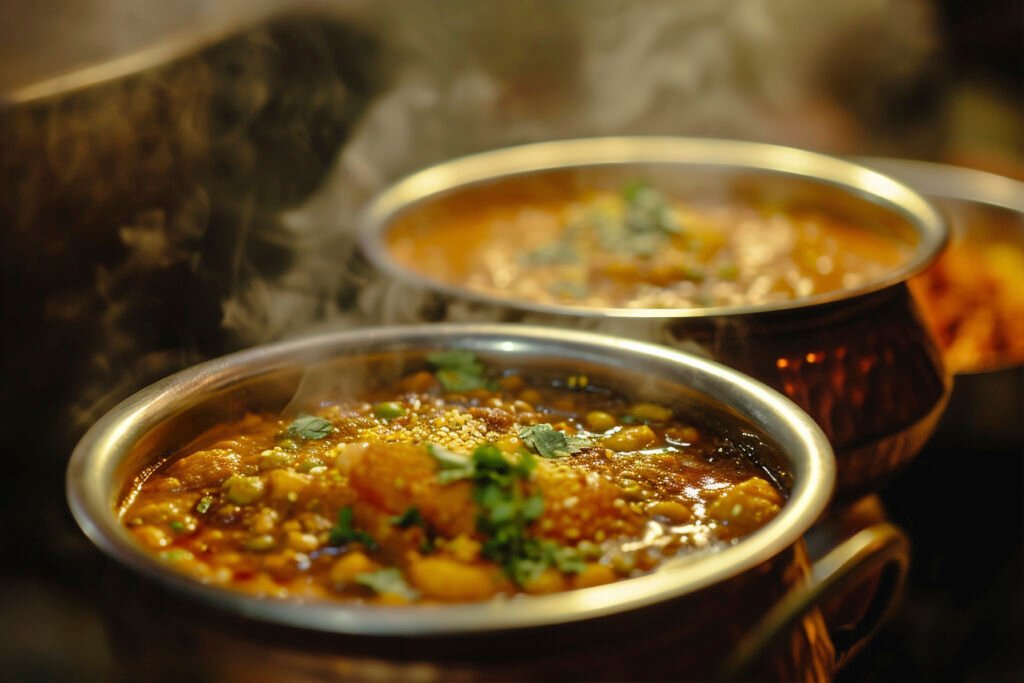
What's the Secret Behind Restaurant-Style Dal Makhani?
Almost everyone who cooks Indian food at home has had this moment. You follow the recipe, you use good lentils, you even add extra butter, and it still does not taste like restaurant-style dal makhani. It is thinner. It is flatter. Something is missing.
The missing ingredient is not a spice. It is time. At Rohan’s Indian Bistro in Glassboro, dal makhani is one of our most ordered vegetarian dishes, and the thing that makes it special is how long it stays on the heat. Here is what really goes on behind the kitchen door.
What Is Dal Makhani?
Dal makhani is a slow-cooked lentil dish from Punjab in North India. It is made with whole black lentils (sabut urad) and a small handful of red kidney beans (rajma), simmered with tomato, ginger, garlic and gentle spices until thick, dark and velvety.
“Makhani” means buttery. But the best versions get most of their creaminess from the lentils themselves, not from what is poured in at the end.
Secret 1: Whole Black Lentils, Never Split
The lentil matters more than anything. Whole urad dal still has its black skin on. That skin gives the dish its deep color and earthy taste, and the starch inside is what turns silky after hours of cooking.
Split or skinned urad cooks faster, but you get a pale, ordinary dal. If your dal makhani looks brown and thin, this is usually the reason.
Secret 2: An Overnight Soak
Whole urad and kidney beans are tough. They need 8 to 12 hours in water before they see a pot. Soaking helps them cook evenly, makes them easier to digest and cuts down the boiling time.
Skip the soak and the outside turns to paste while the centre stays chalky.
Secret 3: Low Heat for Hours
This is the big one. In a restaurant kitchen, the pot of dal goes on early and stays on a low flame for hours. In old Punjabi dhabas, it was left overnight on the dying heat of the tandoor.
As the lentils simmer, they slowly break down and release starch. The cook stirs, mashes a few lentils against the side of the pot, adds a splash of water, and lets it go again. Over time the liquid stops looking like water with lentils in it and becomes one thick, glossy gravy.
A pressure cooker gets the lentils soft in 40 minutes. Soft is not the same as creamy. You still need at least an hour of slow simmering afterwards to get anywhere close.
Secret 4: Fewer Spices Than You Think
Home cooks often add too much: garam masala, coriander, cumin, turmeric, the lot. Classic dal makhani is surprisingly simple. Ginger, garlic, tomato, a little red chili and salt do most of the work.
The flavor comes from the lentils and the long cooking. Too many spices cover that up and make it taste like every other curry.
Also Read: What Is Saag Paneer and Why Is It a Must-Try Dish?
Secret 5: Butter and Cream, Added in Stages
Yes, there is butter. Traditionally it goes in a little at a time during cooking, so it blends into the dal instead of floating on top. A small pour of cream at the end rounds off the acidity from the tomatoes.
If the slow cooking has been done right, you need far less than you might imagine. The richness is already there.
Secret 6: Kasuri Methi and a Hint of Smoke
Two finishing touches separate a good dal makhani from a great one.
The first is kasuri methi, dried fenugreek leaves, crushed between the palms and stirred in right at the end. It adds that slightly bitter, savory aroma you smell the moment the bowl arrives.
The second is smoke. In a tandoor kitchen, the dal naturally picks up a faint charcoal note. At home you can copy this with the dhungar method: place a small piece of hot charcoal in a steel bowl on top of the dal, drip ghee over it and cover the pot for two minutes.
Why Homemade Dal Makhani Tastes Different
Put it all together and the gap is easy to explain. Most home versions use a pressure cooker, simmer for 15 minutes, and try to fix the texture with extra cream. Restaurants do the opposite: long simmering first, dairy last.
There is one more thing. Dal makhani tastes better the next day. As it rests, the starch thickens and the flavors settle. A dal that has had time to sit and be reheated gently is always deeper than one served straight from the stove.
What to Eat With Dal Makhani
Dal makhani wants something to scoop it up. Garlic naan, butter naan or a flaky lachha paratha from our bread menu are the classic partners. Steamed basmati rice works just as well.
For a full meal, add a dry vegetable dish like aloo gobi or bhindi masala and a cooling raita from the side orders. If you are new to Indian food, our guide on how to order at an Indian restaurant shows how to build a balanced table.
Dal Makhani at Rohan’s Indian Bistro
At Rohan’s Indian Bistro, our dal makhani is made with black lentils slow-cooked with ginger, garlic and spices until thick and comforting. It is naturally gluten-free, and you will find it on our vegetarian main course menu along with dal fry, chana masala and saag paneer. If you avoid dairy, just let us know when you order and we will guide you.
It also features in our best vegetarian Indian dishes list, and it is a popular pick for the tiffin box, where you choose any two dishes with rice and naan.
Ready to taste the real thing? Order online or visit our Indian restaurant in Glassboro at 22 High St East.