

Menu
What Is Halal Indian Food? Why It Matters to Diners in NJ
If you’ve searched for halal Indian food in New Jersey, you already know it isn’t always easy to find a menu that combines the two with real confidence. For many Muslim diners — and for anyone simply curious about how faith shapes food — the word “halal” carries genuine weight. It isn’t just a label on a menu; it’s a promise about how an animal was raised, prepared, and served. At Rohan’s Indian Bistro, that promise is taken seriously. This guide breaks down exactly what halal Indian food means, why it matters so much to diners across New Jersey, and how you can order with total peace of mind the next time you’re craving authentic Indian flavors.
What Does “Halal” Actually Mean?
“Halal” is an Arabic word meaning “permissible” under Islamic law. When it comes to food, halal covers everything from which animals may be eaten to how they must be slaughtered. The process, known as dhabiha, requires a quick, humane cut performed by a trained individual while invoking the name of God, allowing the blood to fully drain from the animal. Pork and its by-products are strictly off-limits, and alcohol cannot be used as an ingredient in halal cooking.
Beyond the slaughter itself, halal also touches on how food is handled afterward — avoiding cross-contact with non-halal meat, using separate equipment where necessary, and maintaining cleanliness throughout preparation. For observant Muslims, eating halal isn’t a preference; it’s a religious obligation that shapes nearly every meal.
How Halal Applies to Indian Cooking
India is home to one of the largest Muslim populations in the world, and centuries of Mughlai influence have left a permanent mark on Indian cuisine. Dishes like biryani, kebabs, kormas, and tandoori meats trace their roots to Muslim royal kitchens, which means halal preparation has always been part of Indian food culture — not a modern add-on.
Most of what makes Indian food distinctive — the spices, the slow-simmered gravies, the tandoor-cooked breads — is naturally halal to begin with. The real distinction between halal Indian food and non-halal Indian food almost always comes down to one thing: how the meat itself is sourced and processed before it ever reaches the kitchen.
Why Halal Matters So Much to Diners in NJ
New Jersey is home to one of the largest and most diverse Muslim communities in the United States, with families spanning South Asian, Middle Eastern, and North African backgrounds. For these diners, being able to sit down at an Indian restaurant and order confidently — without a long list of questions about the kitchen — makes a real difference in whether they can eat out at all.
Halal Indian food matters in NJ because it lets families, coworkers, and friend groups from different backgrounds share the same table and the same meal without anyone having to sit out or settle for a plain side salad. It also matters to a growing number of non-Muslim diners who choose halal options because of the perceived freshness, careful sourcing, and ethical animal treatment associated with the process. In a state as diverse as New Jersey, a genuinely halal menu isn’t a niche request anymore — it’s simply good hospitality.
Also Read: How Rohan’s Indian Bistro Makes the Best Biryani in Glassboro, NJ
How Rohan’s Indian Bistro Sources and Prepares Halal Food
At Rohan’s Indian Bistro, halal isn’t an afterthought bolted onto a regular menu. Our meat is sourced from halal-certified suppliers, and our kitchen team follows preparation practices designed to keep halal standards intact from delivery to plate. No alcohol is used in our cooking, and our staff is always happy to answer questions about how a specific dish is prepared.
We understand that trust is earned one visit at a time, which is why transparency matters so much to us. Whether you’re new to our restaurant or a regular guest, you should never have to guess whether the food in front of you meets halal standards — you should simply know.
Halal Indian Dishes You Can Order with Confidence
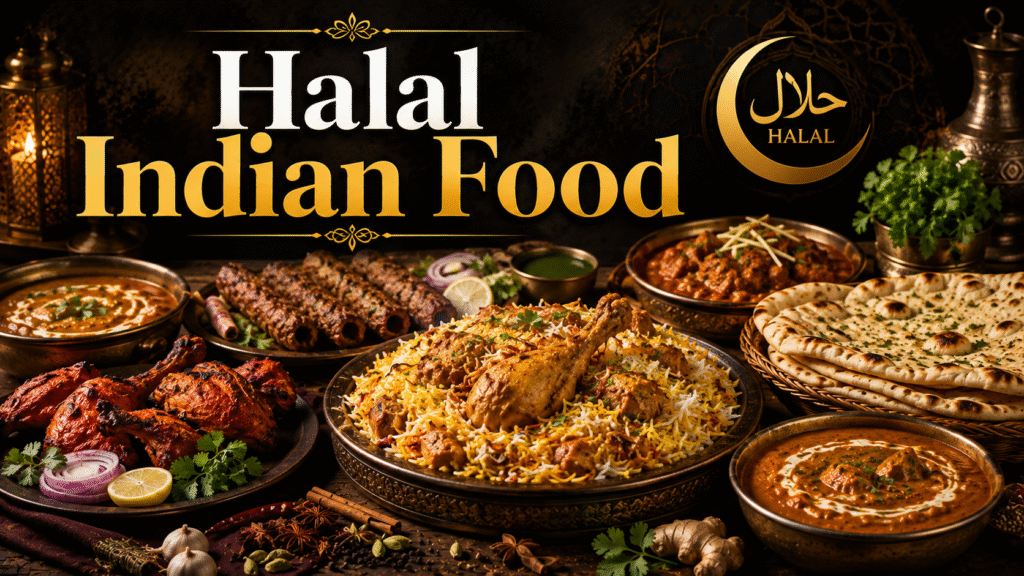
Once you know what to look for, ordering becomes easy. Popular choices include tandoori chicken and chicken tikka, marinated in yoghurt and spices before hitting the clay oven; rich chicken and lamb biryanis layered with fragrant basmati rice; buttery chicken curries like butter chicken and chicken tikka masala; and seekh kebabs made from spiced, minced meat grilled to a smoky finish.
And for guests dining with vegetarian friends or family, dishes like dal makhani, saag paneer, and chana masala are naturally suitable for everyone at the table, halal or not, making it easy to order a shared spread that works for the whole group.
Ordering Confidently at an Indian Restaurant
When dining out, don’t hesitate to ask directly whether the meat is halal-certified and how it’s sourced — a restaurant that takes halal seriously will never be bothered by the question. Look for clear signage or menu notes confirming halal status, and if you’re ever unsure about a specific dish, our team at Rohan’s Indian Bistro is always glad to walk you through the menu so you can order exactly what fits your needs.
It also helps to know that portion sizes and pairings can make a big difference in a shared meal. Ordering a mix of halal meat dishes alongside a couple of vegetarian sides is a simple way to build a table that everyone, regardless of dietary need, can enjoy without a second thought.
Also Read: What Does Tandoori Mean in Indian Cuisine?
Building Trust Between Restaurants and the Community
Halal certification isn’t just paperwork — it’s the foundation of trust between a restaurant and the community it serves. When a family chooses where to celebrate a birthday, host a work dinner, or simply grab a weeknight meal, knowing the kitchen honors halal standards removes one more thing to worry about. That trust is built slowly, meal after meal, through consistency rather than a single certificate on the wall.
For a state as culturally layered as New Jersey, restaurants that get this right end up serving as genuine community gathering spaces, not just places to eat. That’s the role Rohan’s Indian Bistro aims to play for the neighborhoods it serves — a place where halal Indian food is simply the standard, not a special accommodation.
Conclusion
Halal Indian food is about far more than a certification sticker — it’s a centuries-old tradition woven into the heart of Indian cuisine, and it’s a standard that lets diners across New Jersey eat out with confidence and community. From tandoori classics to slow-cooked biryanis, halal dishes bring together great flavor and genuine trust on the same plate.
Craving authentic halal Indian food in NJ? Reserve your table at Rohan’s Indian Bistro today and taste the difference for yourself.