



Blogs
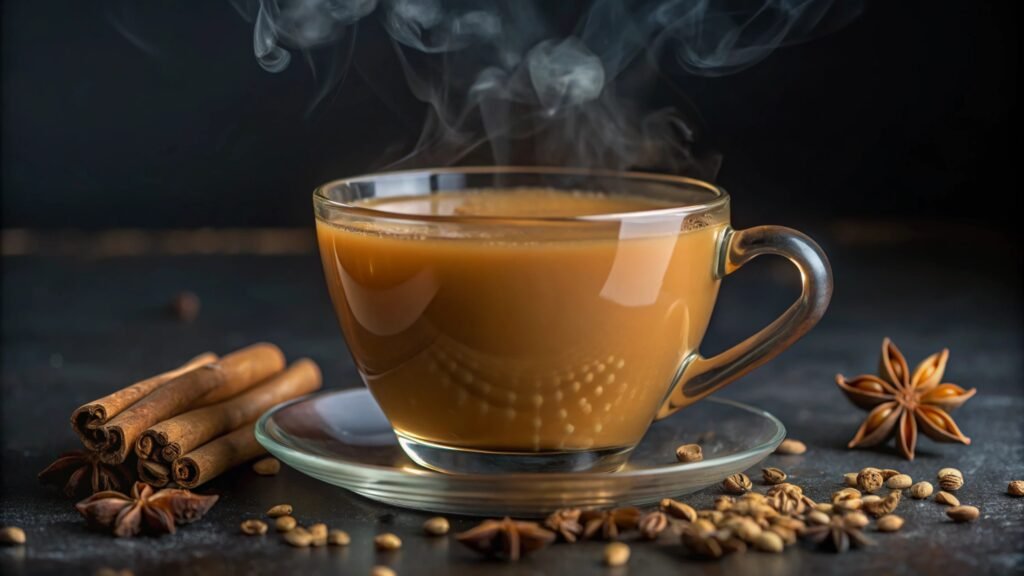
What's the Story Behind India's Love for Chai?
Walk down almost any street in India around 4 p.m. and you’ll smell it before you see it: boiling milk, crushed ginger, a little cardamom, and black tea turning dark in a dented steel pot. India’s love for chai runs so deep that it feels ancient, yet the cup most Indians drink today is only about a hundred years old. At Rohan’s Indian Bistro, we think that surprise is the best part of the story. If you know chai only as a sweet coffee shop latte, the Indian drinks on our menu are a good place to start, and a visit to our Indian restaurant in Glassboro gives you a chance to taste it with a proper meal.
Chai Simply Means Tea
Let’s clear up one small thing first. In Hindi and many other Indian languages, chai just means tea, so ordering “chai tea” is like asking for “tea tea.” What most Americans picture when they hear the word is really masala chai, which means spiced tea.
The word itself traces back to the Chinese word cha. That tiny detail hints at the bigger truth. Tea did not begin as India’s national drink at all, and the road to the country’s favorite cup took some strange turns.
Tea Grew in India Long Before Indians Drank It
Tea plants were growing wild in Assam, in northeast India, long before anyone built a plantation there. British traders wanted to break China’s hold on the tea trade, so in the 1830s they began commercial planting in Assam. Darjeeling and other hill regions followed.
The twist is that nearly all of this tea left the country. It was grown for British cups, and ordinary Indian families rarely drank it. Tea was an export product, and for many people it was simply too expensive to bother with. India was growing an enormous amount of tea without really having a tea habit.
How a Marketing Campaign Changed Everything
That started to shift in the early 1900s. The British-run Indian Tea Association saw a huge market sitting right in front of it and began promoting tea at home. Factories, mines, and textile mills were encouraged to give workers tea breaks. Small vendors set up stalls, and railway stations became one of the best places to reach thirsty travelers.
If you’ve ever seen an old film scene with a chaiwala walking along a train platform, kettle in hand, calling out to passengers, you’ve seen this history play out. The sound of “chai, chai” through a train window is still one of the most familiar sounds of Indian travel.
Also Read: What Does a Traditional South Indian Breakfast Look Like?
Why Street Vendors Added the Spices
Here’s where the story gets fun. The official campaign wanted tea served the British way, with a splash of milk and a little sugar. Street vendors had other ideas. They used more milk, more sugar, and a handful of familiar spices, partly because it tasted better and partly because tea leaves cost money. Stretching a small amount of tea with milk and spices kept each cup cheap.
The Tea Association did not love this, since less leaf per cup meant fewer sales. Nobody listened. Indian kitchens already had a long tradition of warm, spiced drinks, so the new version felt familiar. Tea had finally become Indian, and it happened on the street rather than in a boardroom.
Cheaper Tea Made It an Everyday Habit
A second big change came in the 1960s with CTC, a machine method that crushes, tears, and curls tea leaves into small, strong granules. CTC tea brews dark and fast, stands up well to boiling milk, and costs far less than whole leaf tea. Suddenly a strong cup was within almost anyone’s budget.
That’s the moment chai stopped being a treat and became part of daily life. Today it is served at home, in offices, at bus stands, and in tiny roadside stalls. It works just as well next to a plate of samosas from our appetizer menu as it does on its own.
What Goes Into a Good Cup of Masala Chai
There is no single recipe, and every family will tell you theirs is the right one. Most versions start with strong black tea, milk, and sugar. From there, the spices usually come from this list:
- Cardamom for a sweet, floral lift
- Ginger for a clean, peppery warmth
- Cloves for a deep, slightly numbing spice
- Cinnamon for gentle sweetness
- Black pepper for a little kick at the back of the throat
The method matters as much as the ingredients. Unlike Western tea, which is steeped, chai is usually simmered, so the milk, tea, and spices cook together. That’s where its body and strength come from. Pairing it with a milky dessert like rasmalai makes for a lovely end to a meal.
Why India’s Love for Chai Still Feels So Personal
The real reason India’s love for chai has lasted has little to do with marketing. Chai is how people say welcome. Visit an Indian home and a cup will probably reach your hands before you’ve finished sitting down. Offices pause for it, friends settle arguments over it, and neighbors catch up on it. It’s also regional. Many people in the north love a heavily spiced cup, while plenty of homes in the south keep things simple with just tea and milk.
A cup of chai costs very little, and that’s part of its charm. A student and a CEO can stand at the same stall drinking the same thing. That shared habit is why the story of chai feels bigger than the drink itself. It’s a small part of the same warmth you’ll find across our vegetarian Indian menu, where simple ingredients do a lot of the work.
The Story Continues in Glassboro
Chai began as a British export, turned into a street vendor’s clever fix, and ended up as a daily ritual for millions of people. We’d say that’s a pretty good journey for a handful of leaves. Our story at Rohan’s Indian Bistro comes from that same love of generous food and good company.
Got a free afternoon? Stop by Rohan’s Indian Bistro for a hot masala tea and let the first sip do the talking.