



Menu
What Is Rasmalai? A Guide to Popular Indian Desserts
Indian meals rarely end without something sweet, and few desserts capture that tradition quite like rasmalai. Soft, spongy, and soaked in fragrant, chilled milk, it’s a dessert that surprises first-timers with just how light and delicate it is compared to heavier Western sweets. But what is rasmalai exactly, and what makes it one of the most requested desserts on the menu at Rohan’s Indian Bistro? This guide covers everything, from its ingredients and origins to how it’s traditionally made and served, so you know exactly what to expect the next time you order it.
What Rasmalai Actually Is
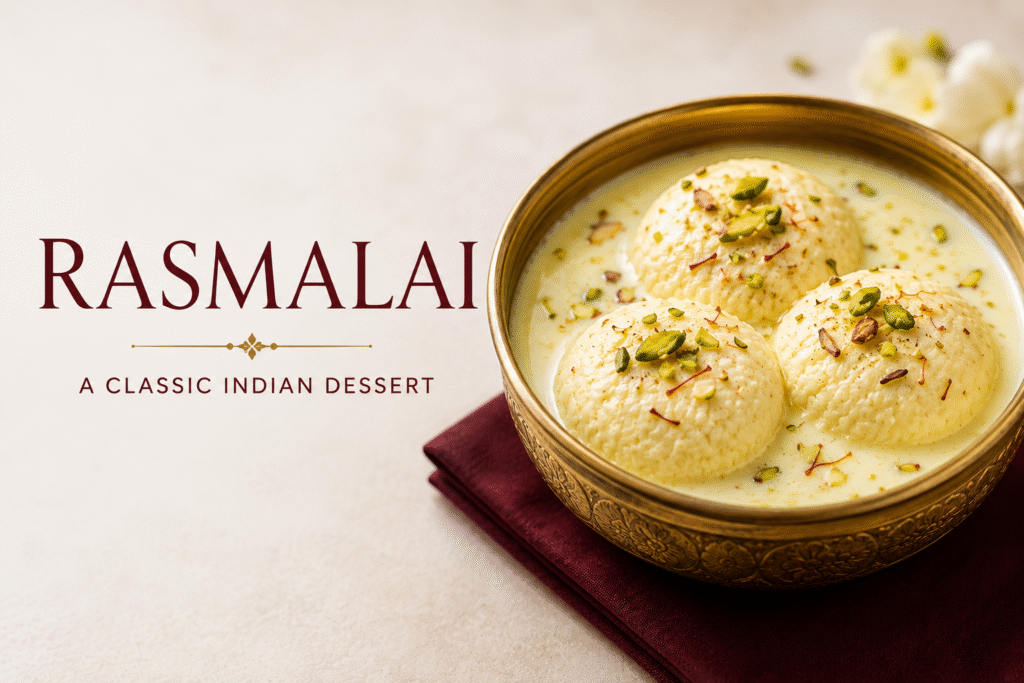
Rasmalai is a classic Indian dessert made of soft, spongy discs of cheese (chenna) that are soaked in a lightly sweetened, cardamom-and-saffron-infused milk called “rabri.” The name itself gives it away: “ras” means juice or liquid, and “malai” means cream — together, “creamy liquid” perfectly describes the dish.
Unlike many syrup-heavy Indian sweets, rasmalai isn’t overly sugary. Its charm lies in the contrast between the soft, slightly chewy cheese discs and the rich, fragrant milk they soak in, finished with a scattering of chopped pistachios or almonds on top.
How Rasmalai Is Made
The process starts with chenna, a fresh cheese made by curdling milk and gently draining the whey. The chenna is kneaded until smooth, shaped into small discs, and simmered in a light sugar syrup until they puff up and become tender and spongy.
Meanwhile, milk is slowly reduced and flavored with cardamom, saffron, and sometimes rosewater, creating the thickened, fragrant rabri. The spongy chenna discs are then transferred into this chilled, flavored milk, where they soak up the flavor and become the pillowy, melt-in-your-mouth dessert rasmalai is known for.
Where Rasmalai Comes From
Rasmalai has its roots in Bengal, a region in eastern India famous for its milk-based sweets and skilled dessert-making traditions. Bengali cuisine has long celebrated chenna as a dessert base, and rasmalai grew out of that same tradition, eventually spreading across the country and becoming a staple at celebrations, weddings, and festive meals everywhere.
Today, rasmalai is beloved far beyond Bengal, and it’s easy to see why — the balance of soft texture, gentle sweetness, and fragrant spice translates beautifully across regions and palates, which is part of why it has become a fixture on Indian dessert menus everywhere, not just in the east.
Also Read: What Is Halal Indian Food? Why It Matters to Diners in NJ
What Rasmalai Tastes Like
Rasmalai is mild, milky, and delicately sweet, with warm notes of cardamom and a subtle floral hint from the saffron. It’s typically served chilled, which makes it especially refreshing after a rich, spiced meal. The texture is the real star — soft and slightly spongy, almost like a cheesecake without the density, soaking up the creamy milk in every bite.
Unlike many desserts loaded with sugar, rasmalai leans on the natural sweetness of milk and a light syrup, making it a gentler way to end a meal rather than an overwhelming one. That restraint is exactly why it works so well after a bold, spice-forward Indian dinner.
Other Popular Indian Desserts Worth Trying
Rasmalai isn’t alone on the dessert menu. Gulab jamun, soft, deep-fried milk dumplings soaked in rose-scented syrup, is another beloved classic with a denser, richer bite. Kheer, a creamy rice pudding flavored with cardamom and nuts, offers a comforting, homestyle option. And kulfi, a dense, slow-churned Indian ice cream, brings a completely different texture for those who prefer something frozen.
Exploring Indian desserts alongside rasmalai is a great way to discover just how varied and nuanced this side of the cuisine really is — far beyond the syrupy sweets often assumed to represent the whole category.
Why Rasmalai Is a Favorite at Rohan’s Indian Bistro
At Rohan’s Indian Bistro, rasmalai is prepared the traditional way, with fresh chenna and a slow-reduced, cardamom-infused milk that isn’t rushed. Guests often order it as the perfect finish after a spice-forward meal, since its cool, gentle sweetness balances out the warmth of a good curry beautifully.
It’s also a popular choice for celebrations at the table — birthdays, anniversaries, or simply a good meal with family — since its delicate presentation and rich flavor feel a little more special than an everyday dessert, without ever feeling overly heavy.
Rasmalai vs Other Milk-Based Desserts
Rasmalai is sometimes confused with rasgulla, another Bengali sweet made from similar chenna balls soaked in sugar syrup. The key difference is the liquid: rasgulla sits in a light, clear sugar syrup, while rasmalai is soaked in thickened, spiced milk (rabri), giving it a creamier, richer finish and a completely different flavor profile.
Knowing this distinction helps when browsing a dessert menu — if you want something light and syrupy, rasgulla might be the better pick, but if you’re after that signature creamy, cardamom-scented experience, rasmalai is the one to order.
Also Read: What Does Tandoori Mean in Indian Cuisine?
Tips for First-Time Rasmalai Tasters
If you’ve never tried rasmalai, come to it with an open mind about texture rather than sweetness — it’s less like cake and more like a delicate, milk-soaked dumpling. Take a small bite first to get used to the spongy texture, then enjoy a full piece along with a spoonful of the rabri it’s soaking in, since the milk itself carries much of the flavor.
It’s best enjoyed slowly, right after a meal, rather than rushed. Pair it with a cup of chai if you’d like to round out the experience the way it’s traditionally enjoyed across India.
Conclusion
So, what is rasmalai? It’s a soft, milk-soaked Indian dessert built on delicate chenna discs and fragrant, cardamom-scented milk — light, comforting, and a world apart from heavier Western sweets. Once you try it, it tends to become the dish you look forward to as much as the main course, and it’s a perfect example of how Indian desserts can be delicate rather than overwhelming.
Ready for a sweet ending to your meal? Order rasmalai at Rohan’s Indian Bistro and finish your dinner the traditional way.