



Blogs
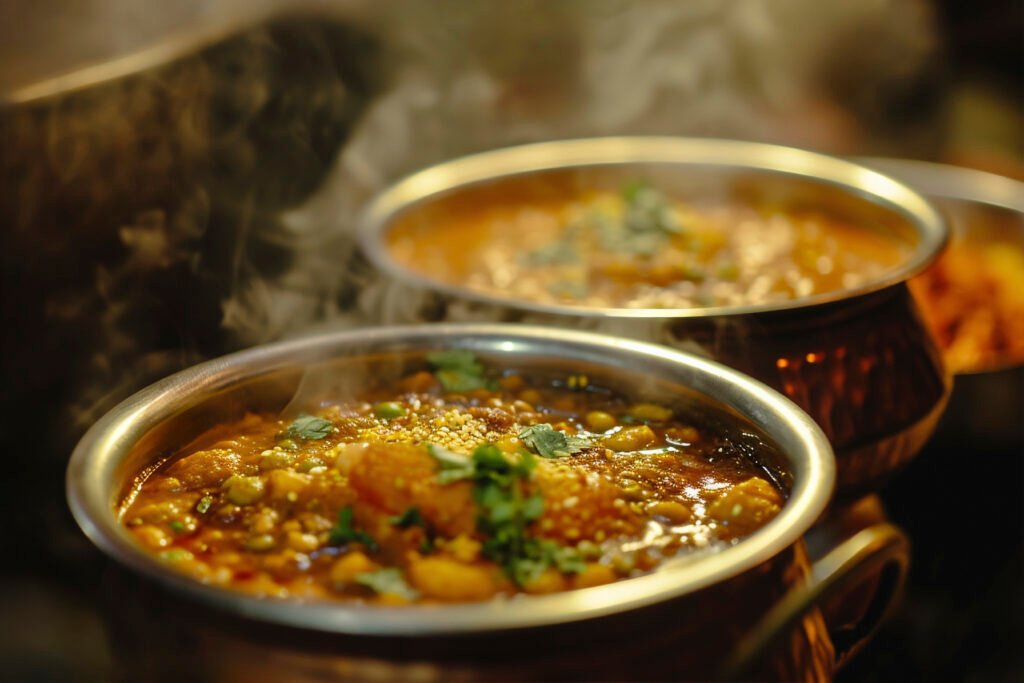
Can You Reheat Indian Food Without Losing the Taste?
Yes, you can, and some dishes actually taste better the next day. The trick is that you can’t reheat Indian food the same way for every dish. A curry wants gentle heat and a splash of water. Naan wants a hot pan. Biryani wants steam. Throw all three in the microwave on high, and you’ll end up with chewy bread and dry rice. Whether you’ve brought home extras from Rohan’s Indian Bistro or placed a big online order so you’d have lunch tomorrow, this guide walks through the best way to bring each dish back to life. Most of the curries on our main course menu reheat beautifully with a little care.
Why Curries Often Taste Better the Next Day
Have you ever noticed that leftover curry seems deeper and rounder than it did the night before? You’re not imagining it. As a gravy rests in the fridge, the onion, garlic, ginger, and spices settle in and blend together. Sharp edges soften. The sauce thickens too, which is why it can look a little stiff when you take it out.
That thickness is the reason so many people dry out their leftovers. Add a little liquid and bring it back slowly, and you’ll be in great shape.
Store It Right Before You Reheat It
Good reheating starts the night before. Food safety matters here, so here are the USDA basics:
- Refrigerate leftovers within 2 hours, or within 1 hour if it’s above 90°F outside
- Use shallow containers so food cools quickly
- Eat refrigerated leftovers within 3 to 4 days
- Freeze anything you won’t finish, and aim to use it within 3 to 4 months for best quality
- Reheat leftovers to 165°F, and bring sauces and gravies to a rolling boil
It also helps to store components apart. Keep rice in one container, curry in another, and bread in a third. Mixed together, rice turns mushy and naan goes soggy overnight.
Freezing works well for most curries and dals. Portion them into small containers or flat freezer bags so they thaw evenly, and label each one with the date. Move a portion to the fridge the night before you want it, or reheat it straight from frozen on low heat with a splash of water. Leave the rice out if you can, because a fresh pot takes little effort and tastes far better beside a thawed curry.
How to Reheat Curries and Dal
The stovetop is your best friend here. Spoon the curry into a small pot, add a tablespoon or two of water, and warm it over medium heat while stirring often. Bring it to a boil, then turn it off. Dishes like Chana Masala, Chicken Curry, and Dal Fry handle this easily.
Cream based dishes need more attention. Chicken Tikka Masala, Korma, and Malai Kofta can separate if you rush them, so raise the heat gradually and keep stirring. A small splash of milk or cream brings back the silky texture. Dal thickens more than anything else in the fridge, so don’t be shy with the water.
Using a microwave? Put the curry in a covered, microwave safe bowl, heat it in short bursts, and stir between each one so there are no cold spots.
How to Reheat Biryani Without Drying It Out
Good biryani depends on fluffy, separate grains, so steam is the goal. Sprinkle a spoonful of water over the rice, cover it tightly, and warm it in a pan on low heat or in a 300°F oven until it’s steaming hot all the way through. A damp paper towel laid over the bowl does the same job in the microwave.
Be careful with rice in general. Cooked rice that sits out too long can grow bacteria that reheating won’t fully fix, so cool it quickly and refrigerate it soon after your meal.
Also Read: Biryani vs Fried Rice: What’s the Real Difference?
How to Bring Naan and Roti Back to Life
Yesterday’s bread is where most people give up, and they really shouldn’t. Lightly sprinkle your naan or roti with water, then warm it in a dry skillet over medium heat for about a minute per side. Cover the pan for the last few seconds so the steam softens the center. A brush of butter or ghee finishes the job.
Don’t have a skillet handy? Wrap the bread in foil and warm it in a 350°F oven for around 5 minutes. Stuffed breads like Aloo Kulcha and Paneer Kulcha also do well this way.
How to Reheat Tandoori Dishes
Our tandoori chicken and kababs get their charred edges from intense clay oven heat, and a microwave will turn that lovely crust rubbery. Use an oven or air fryer instead. Cover the chicken loosely with foil, warm it at around 350°F, and take the foil off for the final few minutes to crisp the outside. Check that the thickest piece reaches 165°F.
Sliced leftover chicken tikka is also delicious tucked into warm naan with some onion salad for an easy lunch.
What Doesn’t Reheat Well
A few dishes are best enjoyed fresh. Crispy foods like samosas, pakoras, and dosas from our South Indian menu lose their crunch quickly once they cool down. A hot skillet or air fryer can rescue samosas and pakoras reasonably well, but a dosa never quite returns to its fresh, crackly self. Raita and salads shouldn’t be heated at all. Serve them cold on the side.
Don’t Forget a Final Taste
Once your leftovers are hot, give them a quick taste. Reheating can dull the top notes of a dish, and a tiny fix can wake it up. Squeeze in some lemon, add a pinch of salt, or scatter chopped cilantro on top. That small step can make day two feel freshly cooked.
The easiest shortcut is planning ahead. Our daily tiffin meals pair rice, naan, and two dishes for a simple lunch or dinner, and it’s easy to set a portion aside for later.
Hungry again already? Browse the full menu at Rohan’s Indian Bistro and order a little extra, because tomorrow’s lunch deserves to taste this good too.