
Introduction
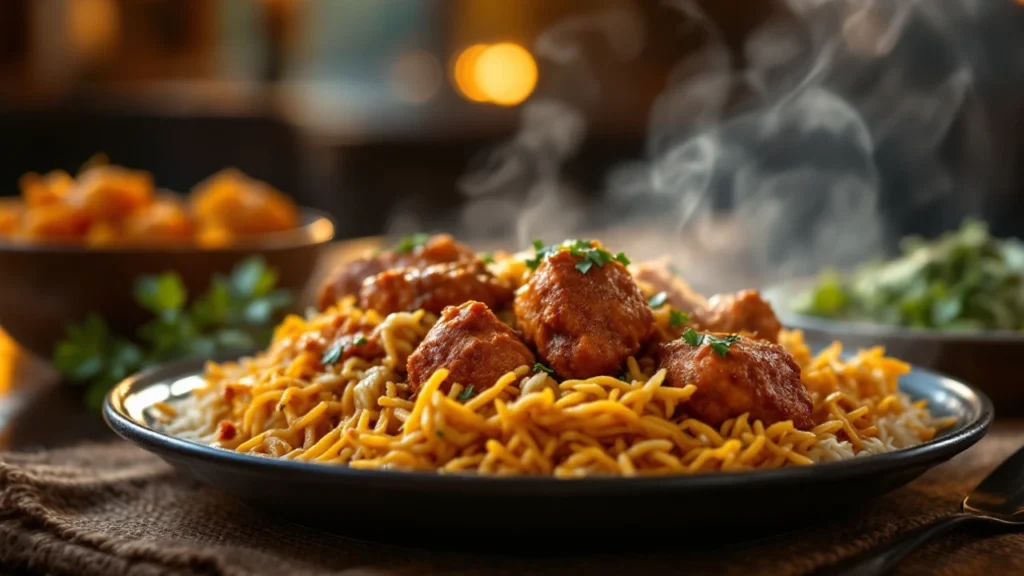
Some dishes don’t just feed people — they build reputations. Mutton biryani and chicken tikka masala are exactly those dishes. Walk into any serious Indian restaurant, and chances are both of them are doing the heavy lifting on the menu. Order them once, and you start to understand why.
At Rohan’s Indian Bistro, these two dishes aren’t just popular choices — they’re the heartbeat of how we cook. Every plate of mutton biryani that leaves the kitchen is slow-cooked the traditional way. Every serving of chicken tikka masala carries the depth that comes from a properly built masala base. And the response from diners — first-timers and regulars alike — tells us that people are genuinely ready for Indian food done right.
The wider dining scene has noticed too. Here are nine ways mutton biryani and chicken tikka masala are actively changing how people eat, where they go, and what they expect from a restaurant meal.
1. They’ve Set the Standard for What Indian Cooking Can Be
For a long time, “Indian food” in the broader dining world meant a fairly predictable set of options — mild curries, naan, and maybe a samosa to start. Mutton biryani and chicken tikka masala changed that. Both dishes require real technique to get right, and when they’re made properly, they signal something important: this kitchen takes its food seriously.
The biryani alone — the layering, the dum cooking, the balance of whole spices, the tenderness of the mutton — communicates a level of culinary ambition that shifts a restaurant’s entire reputation. Chicken tikka masala does similar work. A rich, smoky masala with properly charred tikka pieces tells a diner that the kitchen isn’t cutting corners.
2. They’ve Made Spice-Forward Cooking Mainstream
There was a period not long ago when restaurant menus were quietly dialing down the heat to appeal to the widest possible audience. What’s happened with mutton biryani and chicken tikka masala is the opposite. Diners have come to expect complexity — and that’s meant spice is no longer something to apologize for.
Both dishes carry bold flavor profiles. The mutton biryani’s warmth comes from whole spices — cardamom, cloves, bay leaves — rather than raw chili heat. The tikka masala’s depth comes from a combination of garam masala, coriander, and the smokiness of the charred chicken. These aren’t dishes that hide their character. And increasingly, diners actively look for that honesty in what they eat.
3. They’ve Become the Benchmark Dishes Every Indian Restaurant Is Judged By
Ask a regular Indian food diner how they decide if a restaurant is worth going back to, and the answer is almost always the same: the biryani, the tikka masala, or both. These two dishes have become the litmus test for the quality of an Indian kitchen.
At Rohan’s Indian Bistro, we’ve accepted that responsibility. The mutton biryani goes through a full dum process — sealed and slow-cooked so the rice absorbs every layer of flavor from the meat and spices underneath. The chicken tikka masala starts with an overnight marinade and ends with a sauce reduced to exactly the right consistency. There’s no shortcut in either dish, because there isn’t one that works.
4. They’re Reshaping the Idea of Comfort Food
Comfort food used to mean pasta, mac and cheese, or a burger. That definition has genuinely expanded, and Indian food — particularly these two dishes — has driven a large part of that shift. Mutton biryani is the kind of meal people crave specifically. Not just “something Indian” — the biryani, with its particular combination of fragrant rice and slow-cooked meat.
Chicken tikka masala has arguably done more for that redefinition than almost any other dish in the category. It’s warm, rich, deeply savory, and satisfying in the way that true comfort food needs to be. The fact that it’s now as frequently requested for delivery as pizza or fried chicken says everything about how far that shift has gone.
5. They’ve Pushed the Quality of Indian Ingredients in Local Markets
One quiet but significant way these dishes have shaped the dining scene is through what they’ve demanded from supply chains. Real mutton biryani requires quality long-grain basmati — the kind that stays separate and absorbs flavor properly. Chicken tikka masala needs fresh spices that haven’t been sitting in a warehouse jar for a year.
We source the basmati and spice blends for Rohan’s Indian Bistro with care. The difference in the finished dish is obvious — aromatic rice cooks differently from stale rice, and freshly ground coriander tastes like a completely different ingredient compared to old powder. Diners might not always identify exactly why one version tastes better, but they notice that it does.
Also Read: How Artistic Plate Presentations Enhance Modern Indian Dining
6. They’ve Elevated Indian Dining Beyond the Takeaway Box
For decades, Indian food had a strong association with takeaway and delivery — which is part of its popularity, but also meant it was rarely associated with a proper sit-down dining experience. Mutton biryani and chicken tikka masala, when done well in a real restaurant setting, have helped shift that perception entirely.
Rohan’s Indian Bistro exists precisely at that intersection. A proper dine-in experience with these dishes at the center — served at the right temperature, with accompaniments that genuinely complement the food — is a fundamentally different experience from eating the same thing out of a container. The dish earns the setting, and the setting allows the dish to perform.
7. They’ve Connected Diners to Indian Cultural Heritage
Food is one of the most direct routes into another culture’s story, and both these dishes carry considerable history. Mutton biryani traces its lineage through Mughal cooking — a cuisine built on the idea that food was worthy of art and ceremony. Chicken tikka masala, wherever you stand on its precise origins, has become a genuine cultural bridge between the Indian subcontinent and the wider world.
Diners who ask about the dishes often end up in a real conversation — about regional variations, about why the dum technique matters, about the spice trade routes that shaped Indian cooking. That’s a level of engagement very few cuisines generate around individual dishes.
Also Read: How European Culinary Experts Influence Modern Indian Restaurants
8. They’ve Inspired Home Cooks to Take on More Ambitious Recipes
The interest generated by genuinely good mutton biryani and chicken tikka masala at restaurants has had a measurable effect on home cooking. People who have a great experience eating out often want to try replicating it. Both dishes have driven real exploration of Indian home cooking — from spice sourcing to learning technique from scratch.
This benefits the cuisine as a whole. A home cook who learns to make a proper tikka masala from scratch — who understands what a well-built masala base is supposed to smell and taste like — becomes a more engaged diner. They’re also better at recognizing when a restaurant is doing it right versus when it’s cutting corners.
9. They’re Making Indian Cuisine a Non-Negotiable Part of the Global Food Conversation
Indian food has been globally popular for a long time. But there’s a difference between food that’s popular and food that’s genuinely central to how a culture eats. Mutton biryani and chicken tikka masala have moved Indian cuisine into that second category in a significant number of cities around the world.
At Rohan’s Indian Bistro, the response we see from diners of all backgrounds — people for whom Indian food is comfort food from childhood, and people trying a proper dum biryani for the first time — tells us that both experiences are powerful. The dishes translate. They communicate something real about what food can do when it’s made with care and with genuine respect for the tradition behind it.
Why Rohan’s Indian Bistro Gets These Dishes Right
There’s a reason we built the menu around mutton biryani and chicken tikka masala. They’re demanding dishes. They take time, they take attention, and they’re unforgiving of shortcuts. But when they’re right, they’re among the most satisfying things a kitchen can produce.
We use the dum method for the biryani — the sealed-pot slow cook that lets the rice absorb the flavors from the mutton and whole spices over time. The tikka masala starts the night before, with chicken in a yogurt and spice marinade that the grill finishes off properly. The sauce is made from scratch every day.
If you haven’t visited yet, check out the full menu at Rohan’s Indian Bistro — both dishes are there, and both are made exactly the way they’re supposed to be.
Conclusion
Mutton biryani and chicken tikka masala aren’t shaping the dining scene by accident. They’ve earned their place through flavor, technique, and the kind of culinary history that makes food mean something beyond a single meal. They’ve pushed kitchens to be better, pushed diners to expect more, and pushed Indian cuisine into a position of genuine global influence.
At Rohan’s Indian Bistro, these dishes are the core of what we do. Come and eat them properly — that’s the most honest version of the argument we can make.
Visit Rohan’s Indian Bistro and experience mutton biryani and chicken tikka masala made the traditional way. Reserve your table or place an order at rohansindianbistro.com — because great Indian food deserves to be eaten right.