Introduction
Walk into any well-regarded Indian restaurant today, and you might notice something a little different from what you’d expect. The food is still deeply rooted in Indian tradition — the spices, the slow-cooked gravies, the smoky tandoor aromas — but there’s something else going on too. The plating feels intentional. The service has a rhythm to it. The overall experience just feels more considered.
That’s not an accident. Over the past couple of decades, European culinary influence has quietly shaped how many Indian restaurants around the world operate — not in a way that replaces tradition, but in a way that frames it better. At Rohan’s Indian Bistro in Glassboro, this blend is something we’ve thought carefully about. The food stays true to its roots, but the way it’s presented, served, and experienced draws from a wider conversation happening across the global restaurant industry.
Today’s diners aren’t just looking for a plate of food. They’re looking for an experience they’ll remember — and come back for.
The Growing Influence of Global Culinary Trends
Restaurants don’t exist in a vacuum anymore. A chef trained in Lyon might end up collaborating with a kitchen in Mumbai. A hospitality technique popularized in Copenhagen could inspire a restaurant owner in New Jersey. Ideas travel fast — through food festivals, culinary school exchanges, Instagram videos, and international industry events.
European culinary traditions, in particular, have had a noticeable impact on how modern restaurants — including Indian ones — approach their craft. This isn’t about replacing Indian cooking with European methods. It’s really more about borrowing certain habits around technique, balance, and hospitality that happen to complement Indian cuisine extremely well.
Some of the channels through which these ideas spread include:
- Culinary events and cross-cultural food festivals
- International chef collaborations and residencies
- Hospitality and restaurant management training programs
- Social media platforms where chefs share techniques globally
- Food journalism and documentary content
How European Culinary Experts Shape Restaurant Experiences
If you’ve dined at a well-run European restaurant — whether a French bistro or a contemporary Italian trattoria — you’ve probably noticed how much thought goes into every detail. The pacing of the meal. The way dishes are presented. The relationship between portion size and the overall menu arc. None of it happens by accident.
European restaurateurs, particularly those trained in classic fine dining traditions, tend to place a strong emphasis on structure. They think about the dining experience from start to finish — from how a guest is greeted at the door to how the final course lands on the table. Some of the core principles they’ve brought to the global conversation include:
- Elegant, intentional food presentation
- A structured flow to the meal that doesn’t feel rushed
- Careful attention to ingredient quality and sourcing
- Thoughtful portion sizing that satisfies without overwhelming
- Consistent and attentive — but never intrusive — hospitality
For a place like Rohan’s Indian Bistro, these principles don’t compete with Indian cooking philosophy — they actually support it. The goal was never to turn an Indian restaurant into something European. It was to bring the same level of care and intentionality that great European kitchens are known for, and apply it to a dining experience built around Indian food.
The Importance of Artistic Food Presentation
Let’s be honest — the first thing you do when a plate arrives at your table is look at it. And if it looks beautiful, something shifts. You anticipate the taste differently. You’re already a little bit more impressed before you’ve taken a single bite.
European dining culture has long understood this. The idea that food should be visually appealing — that plating is part of the experience, not just a functional step — is deeply embedded in the way European chefs are trained. This sensibility has gradually made its way into modern Indian restaurants as well.
At Rohan’s Indian Bistro, thoughtful presentation is built into the kitchen process. Sauces are placed deliberately rather than poured carelessly. Garnishes are chosen for colour and contrast, not just decoration. Portions are sized so the plate looks organized and intentional. None of this takes away from the food’s authenticity — it just makes it easier to appreciate what’s actually on the plate.
In today’s restaurant market, presentation also signals professionalism. Diners associate a well-plated dish with quality — and that perception matters for how a restaurant is reviewed, recommended, and remembered.
Traditional Indian Cuisine With Modern Dining Standards
Here’s the thing about Indian cuisine — it was already visually stunning before anyone started talking about presentation as a trend. The deep reds of a well-made Tikka Masala, the golden turmeric in a biryani, the charred edges of a fresh naan straight from the tandoor — this food has always had extraordinary visual appeal built right into the ingredients and cooking methods.
Modern presentation techniques don’t reinvent any of that. They just organize it. A Mutton Biryani served in a traditional handi still tastes exactly the same — but when the rice is layered carefully and the garnishes are placed with intention, it tells a story before the first spoonful. The same goes for a Paneer Tikka platter or a Tandoori mixed grill.
The flavour is never compromised. The cultural identity of the dish is never diluted. What changes is how carefully that experience is curated for the person sitting across the table.
Hospitality Standards That Improve Customer Experience
European hospitality has a reputation for being structured without being stiff. There’s a rhythm to it — tables are managed so the kitchen isn’t overwhelmed, service is timed so guests aren’t left waiting between courses, and staff are trained to read the room rather than follow a rigid script.
These habits have found their way into how many modern Indian restaurants think about service. It’s less about adopting a European “style” and more about borrowing a mindset — one that treats every part of the dining experience as something worth getting right.
At Rohan’s Indian Bistro, hospitality is genuinely central to the experience — not as a policy, but as a practice. Whether you’re a regular or visiting for the first time, the idea is simple: you should feel welcomed, comfortable, and well looked after from the moment you walk in until the moment you leave. The food matters enormously, but so does the environment you eat it in.
Also Read: 9 Ways Mutton Biryani and Chicken Tikka Masala Are Shaping the Dining Scene
Why Modern Diners Expect More Than Just Food
Dining habits have shifted in ways that weren’t easy to predict even ten years ago. Part of it is social media — when people photograph their meals and share them online, the visual quality of the food and the space becomes part of the decision-making process before anyone even walks through the door. Part of it is also just a broader rise in awareness. People travel more, eat more diversely, read more food content. Their expectations have evolved.
Diners today tend to evaluate a restaurant across several dimensions:
- Taste and authenticity of the food
- Quality and attentiveness of service
- Visual presentation of dishes
- Ambience and comfort of the space
- Consistency across multiple visits
- How the restaurant looks and feels on social media
A restaurant that does all of these things well doesn’t just get a good review — it builds the kind of loyal customer base that sustains a business over years, not just seasons.
The Role of Fine Dining Culture in Casual Restaurants
There was a time when beautiful plating and refined service were things you only encountered if you were paying a premium for a white-tablecloth dining experience. That’s genuinely changed. The techniques and standards that used to be exclusive to fine dining have filtered down into everyday restaurants, and diners across every price point now expect a certain level of care.
This shift is actually a good thing for places like Rohan’s Indian Bistro. It means that the effort that goes into thoughtful plating and genuine hospitality gets noticed and appreciated — even in a casual family dinner setting. You don’t need to be at a Michelin-starred restaurant to eat food that looks and feels considered.
The result is a dining experience that works for a wide range of guests — families celebrating birthdays, students catching up over a meal, professionals grabbing dinner after work, food lovers who just want something genuinely great. The food is accessible. The experience is inclusive. The quality doesn’t waver depending on who’s at the table.
Also Read: Best Indian Restaurant in Glassboro for Authentic Dining Experience
Authenticity Still Remains the Priority
All of this context about global culinary influence is worth keeping in perspective. The reason any of it matters at Rohan’s Indian Bistro is precisely because it’s in service of the food — not in place of it.
The recipes come from a tradition that spans centuries. The spice blends are built the way they’ve always been built — layered, intentional, and deeply specific to each dish. The cooking methods — slow braising, tandoor-roasting, hand-grinding spices — haven’t changed because there’s no good reason to change them. They work. They’ve always worked.
Modern presentation and European-influenced hospitality enhance that foundation. They don’t replace it. The goal was never to make the restaurant feel European — it was to make the Indian dining experience as good as it could possibly be for every person who sits down to eat here.
Why Presentation and Atmosphere Matter Together
A great meal isn’t just about what ends up on your fork. It starts the moment you walk in — the smell of spices from the kitchen, the warmth of the lighting, the sound of conversation in the room. By the time your food arrives, you’ve already formed an impression of whether this is somewhere you want to linger.
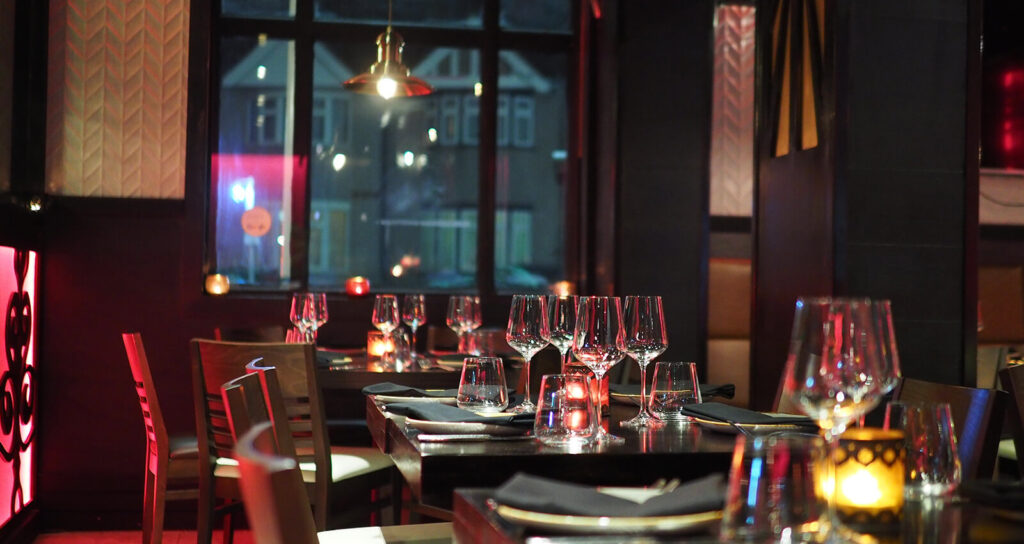
At Rohan’s Indian Bistro, these layers are all considered together. The interiors are warm and inviting without being over-designed. The lighting is relaxed. The plating of each dish is thoughtful without being precious. The overall effect is that dinner here doesn’t feel rushed or transactional — it feels like an occasion, even on a Tuesday night.
Social Media and the Rise of Visual Dining
It’s impossible to talk about modern restaurant culture without acknowledging the role that Instagram and similar platforms have played in reshaping expectations. A decade ago, photographing your food before eating it was considered a little odd. Today, it’s completely standard — and for restaurants, the visual quality of their dishes has become a genuine marketing consideration.
When a guest photographs a beautifully plated Chicken Tikka Masala or a vibrant Tandoori Platter and shares it online, they’re effectively doing word-of-mouth marketing for the restaurant — with visual proof attached. That’s a powerful thing. It means the effort put into presentation has value beyond the single diner sitting at that table.
This is another area where European culinary influence has had a meaningful impact. The tradition of treating plate presentation as a form of visual communication — one of the hallmarks of European fine dining — has proven extremely compatible with the demands of a social-media-driven restaurant landscape.
Also Read: How Artistic Plate Presentations Enhance Modern Indian Dining
How Rohan’s Indian Bistro Balances Tradition and Modern Dining
Building a restaurant reputation takes time. It also requires making a lot of small, deliberate decisions about what you stand for — what you’re willing to change, and what you’re absolutely not.
For Rohan’s Indian Bistro, those decisions have always centred on one thing: the food comes first, always. The spices are genuine. The recipes are respected. The cooking is done properly, without shortcuts. Everything else — the plating, the hospitality, the ambience — is designed to make sure that the food gets the showcase it deserves.
The result is a restaurant that feels comfortable for all kinds of diners — those who grew up eating Indian food and want something that tastes like home, and those who are discovering it for the first time and want to understand what all the fuss is about. Glassboro’s food scene has grown considerably, and it’s a privilege to be part of that.
Conclusion
The exchange of culinary ideas across cultures has always been part of how food evolves. European dining culture has contributed real and lasting ideas about presentation, hospitality, and the overall guest experience — and those ideas have found a natural home in modern Indian restaurants that want to offer something more than just a meal.
At Rohan’s Indian Bistro, the Indian culinary tradition is the whole point. Everything else is in service of that — to make sure the food is presented well, the hospitality is genuine, and every guest leaves feeling like it was worth the trip.
If you’re looking for authentic Indian cuisine with a dining experience that actually reflects the quality of the food, come visit us in Glassboro. The food speaks for itself — we just try to make sure it gets a proper hearing.
Visit Rohan’s Indian Bistro today and explore flavourful dishes crafted with care, balance, and tradition.