



Menu
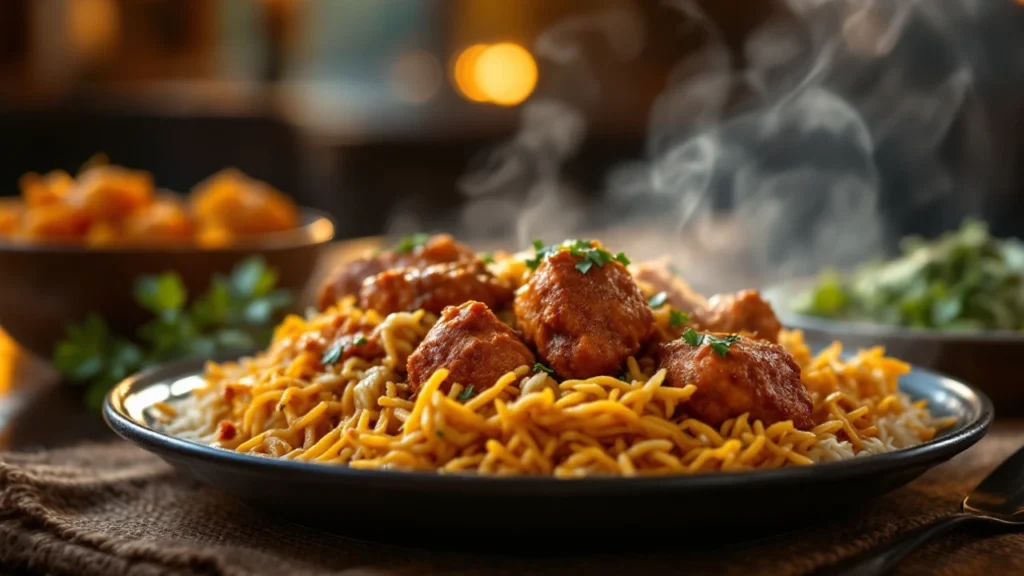
How Rohan’s Indian Bistro Makes the Best Biryani in Glassboro, NJ
Introduction
Biryani is one of those dishes that people have opinions about. Strong ones. Ask any regular at Rohan’s Indian Bistro what they order first on a new visit and the answer comes back the same way most of the time: the mutton biryani.
That consistency is not accidental. It is the result of a cooking process that does not take shortcuts — a proper dum biryani, built the way it has been built in Indian kitchens for generations. Understanding how it is made explains why the version at Rohan’s Indian Bistro in Glassboro is the standard that other biryanis in South Jersey get measured against.
This guide walks through the full process — the rice, the meat, the spice work, and the dum technique itself — and explains why each step matters. By the end, you will have a clear picture of what separates a great biryani from a decent rice dish, and why Rohan’s Indian Bistro is worth the visit.
What Dum Biryani Actually Means
Dum is a cooking technique, not a style of seasoning. The word comes from the Persian for breath or steam — and that is exactly what the method is built around.
In dum cooking, partially cooked rice is layered over partially cooked meat, the vessel is sealed — traditionally with dough, sometimes with a tight lid and weight — and the whole thing is placed over low heat. The steam trapped inside the sealed pot does the final cooking. The rice absorbs the aromatic moisture from the meat and spices below. The meat finishes in the steam from above.
The result is a rice dish where every grain carries the flavor of the masala beneath it without becoming mushy or overcooked. The meat becomes tender without drying out. And the whole dish develops a depth and fragrance that is impossible to achieve by simply mixing cooked rice with cooked meat and calling it biryani.
At Rohan’s Indian Bistro, the dum process is followed as it should be. The pot is sealed. The heat is controlled. The time is not shortened. That is the foundation of the best biryani in Glassboro.
The Rice: Why Basmati Selection Matters
Not all basmati rice performs the same way in a biryani. Long-grain aged basmati is the correct choice — the aging process reduces moisture in the grain so it cooks up separate and fluffy rather than sticky. The length of the grain also matters because longer grains absorb steam without breaking down under the weight of the sealed pot.
At Rohan’s Indian Bistro, the basmati used for the biryani is sourced for quality rather than cost. This is a distinction that matters in a dish where the rice is half the experience. A biryani made with inferior rice — short grain, young, or improperly washed — produces a clumped, dense result that no amount of spice work can fully rescue.
The rice is parboiled before layering — cooked to roughly seventy percent done before it goes into the dum pot. This allows it to finish cooking in the steam without overcooking. Timing this correctly requires experience and attention, which is part of why biryani is considered a benchmark dish for any serious Indian kitchen.
Also Read: How Artistic Plate Presentations Enhance Modern Indian Dining
The Mutton: Low and Slow
Mutton biryani is the most demanding version of the dish because mutton requires significantly more time to become properly tender than chicken. The meat needs to be cooked at low temperature for long enough that the collagen in the tougher cuts breaks down and becomes gelatin — which is what gives the gravy its body and the meat its silky texture.
At Rohan’s Indian Bistro, the mutton is marinated first — yogurt, ginger-garlic paste, whole spices, and a spice blend built in-house. The marinade both tenderizes the meat and begins the flavor-building process before the meat ever hits heat. After marinating, the mutton is cooked down in a masala until it is partially done and the oil separates from the gravy — a stage called bhunna in Indian cooking that indicates the raw flavors have cooked out and the masala has properly developed.
This preparation takes real time. There is no fast version of it that produces the same result. The mutton that goes into the biryani at Rohan’s Indian Bistro is ready for the dum pot because it has already been through a full cooking process — the dum is the finishing step, not the only step.
The Spice Work: Whole Spices and Layering
What separates a flat, one-dimensional biryani from one that has complexity and warmth is the spice work — specifically, the use of whole spices and the way they are layered into the dish.
Whole spices — bay leaf, cinnamon stick, cloves, green cardamom, black cardamom, star anise — are added at different stages of the cooking process. Some go into the rice water when parboiling, so they perfume the grain from the start. Others go into the meat masala, bloomed in oil before any other ingredient is added. Some are placed between the layers when the biryani is being assembled.
This layering is what produces the fragrance that hits you when the sealed biryani is opened at the table. Each whole spice has released its oils at the right moment and in the right context. The result is a complex, warm aroma that is the signature of a properly made biryani — and one of the reasons the mutton biryani at Rohan’s Indian Bistro brings people back.
Also Read: How European Culinary Experts Influence Modern Indian Restaurants
Chicken Biryani: The Faster Route, Done Right
Chicken biryani follows a similar process but moves faster because chicken tenderizes more quickly than mutton. The challenge with chicken biryani is avoiding overcooking — chicken dries out faster than mutton, so the timing of the dum stage requires precise judgment.
At Rohan’s Indian Bistro, the chicken biryani is marinated overnight in the same way as the mutton version, ensuring the flavors penetrate fully before cooking. The dum time is adjusted for the protein, and the result is a biryani where the chicken is moist and well-seasoned throughout — not just on the surface.
For first-time visitors to Rohan’s Indian Bistro, the mutton biryani is the benchmark dish to start with. But the chicken biryani is a strong second order, and returning visitors often move between the two depending on what they are in the mood for.
Serving and the Raita Question
Biryani at Rohan’s Indian Bistro is served with raita — a cooling yogurt preparation that balances the heat and spice of the biryani. This is not optional in the way that condiments at other restaurants are optional. The raita is part of the dish. The cool, mild acidity of the yogurt counterpoints the warm, spiced rice in a way that makes the whole thing work better than either would alone.
Some regulars also order a salan — a thin, tangy gravy — alongside the biryani. If you are a regular and want to explore beyond the standard serve, ask the server about what is available that day alongside the biryani.
Why Glassboro Needed This Biryani
South Jersey has historically been underserved when it comes to serious Indian cooking. The closest options for a genuinely good biryani have typically required a drive to Philadelphia or Cherry Hill — neither of which is convenient for students at Rowan University or for families in Gloucester County.
Rohan’s Indian Bistro changed that. The mutton biryani at Rohan’s is not a local approximation of a good biryani — it is a good biryani, full stop. The process is correct, the sourcing is right, and the kitchen takes the time the dish requires. For anyone in Glassboro or the surrounding area who has been settling for inferior versions, this is the restaurant that resolves the question.
Conclusion
The best biryani in Glassboro is made the way biryani has always been made when it is made correctly — with the right rice, properly prepared meat, whole spices layered at every stage, and a dum process that cannot be rushed. At Rohan’s Indian Bistro, that process is the standard, not the exception.
If you have not tried the mutton biryani at Rohan’s Indian Bistro yet, it is the single dish that explains why the restaurant has built the following it has in Glassboro and across South Jersey.
Order the best biryani in Glassboro at Rohan’s Indian Bistro — dine-in, takeaway, or delivery available. Visit rohansindianbistro.com for the full menu.