

Menu
Best Vegetarian Indian Dishes to Order: A Complete Guide
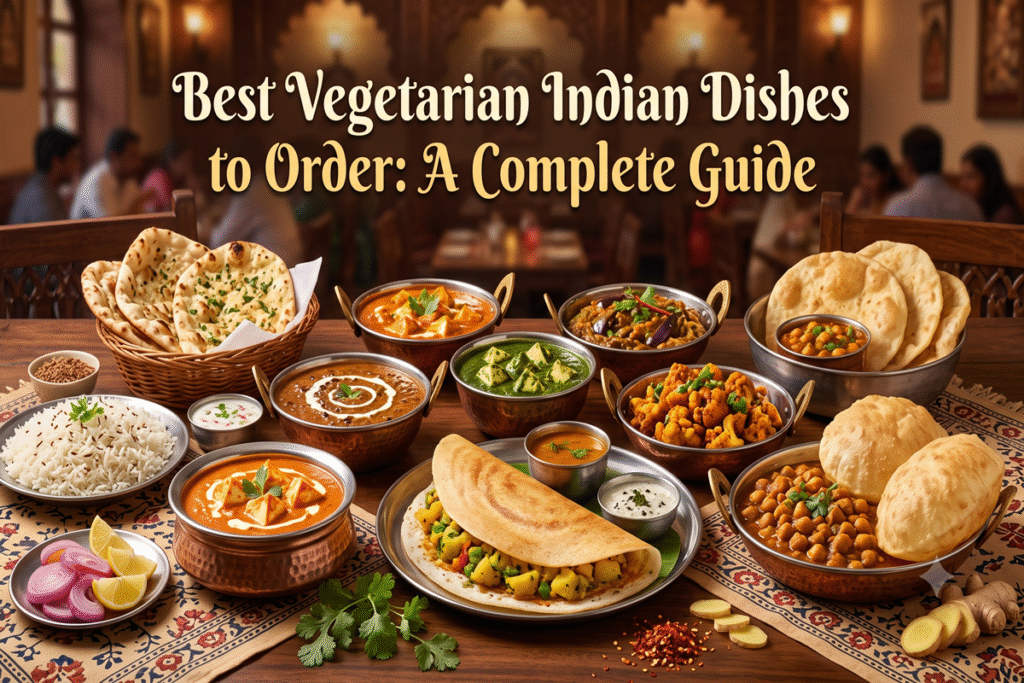
Indian food might be the most rewarding cuisine in the world for vegetarians, and even committed meat-eaters often find themselves ordering the veg dishes without noticing. Centuries of largely vegetarian cooking have produced a range that never feels like a compromise, where beans, cheese, vegetables, and spices are the main event rather than a side note. If you are staring at a long menu and wondering where to start, this guide walks through the best vegetarian indian dishes to order, what makes each one special, and how to put together a spread that works. No meat required, and none missed.
Why Indian Food Is a Vegetarian’s Paradise
In many cuisines, vegetarian options feel like an afterthought bolted onto a meaty menu. Indian food is the opposite. A huge share of the classic dishes are naturally vegetarian, built over generations in kitchens where meat was rare or absent. That means the veg options are not sad substitutes; they are often the dishes the cuisine is most proud of. Paneer stands in confidently for a protein, lentils bring heartiness, and spices give everything depth. The result is a menu where a vegetarian can eat like royalty and never feel they are missing out. That abundance is exactly why it helps to have a map. It also means you can eat here again and again and keep finding new things, because the vegetarian repertoire is genuinely vast rather than a short list of safe options. Whether you want something rich and indulgent or light and everyday, there is a dish built for exactly that mood.
The Paneer Favourites
Paneer, India’s fresh cheese, is the star of many of the best-loved veg dishes, and it is the friendliest place to start:
- Palak paneer: soft cheese in a smooth, mild spinach gravy.
- Paneer butter masala: rich, creamy, and lightly sweet, a crowd-pleaser.
- Kadai paneer: bolder and drier, with peppers and a punchy masala.
- Paneer tikka: marinated and grilled, a great non-fried starter.
If you are new to Indian food, a paneer dish is an easy, satisfying entry point. It has texture and heft without the heat that scares some first-timers off.
The Dals And Lentils
No guide to vegetarian indian dishes is complete without the dals, the lentil dishes that are the quiet backbone of Indian home cooking. They are comforting, protein-rich, and endlessly varied. Dal makhani, slow-cooked black lentils with butter and cream, is the indulgent one everyone loves. A simple dal tadka or yellow dal is lighter and homelier, finished with a sizzle of spices. Chana masala and rajma, made with chickpeas and kidney beans, are hearty enough to be a meal on their own with rice. If you order one thing to understand how good vegetarian Indian food can be, make it a dal.
Also Read: Indian Food Plating Techniques: How to Present Indian Dishes Like a Professional Chef
Vegetable Curries Worth Knowing
Beyond paneer and lentils sit the vegetable dishes, and some of them are genuinely spectacular:
- Malai kofta: soft vegetable-and-paneer dumplings in a rich, creamy sauce.
- Aloo gobi: a dry, homely dish of potato and cauliflower with spices.
- Baingan bharta: smoky mashed aubergine, deep and satisfying.
- Navratan korma: a mild, slightly sweet mix of vegetables, nuts, and cream.
These range from rich and celebratory to simple and everyday. A good order often mixes one indulgent curry with one lighter, drier vegetable dish for balance.
Street Food And Starters
Some of the most fun vegetarian food in the Indian repertoire lives at the start of the meal. Crisp samosas filled with spiced potato, pakoras fried in gram-flour batter, and aloo tikki, spiced potato patties, are all deeply moreish. Then there is chaat, the tangy, crunchy, sweet-and-sour street-food family like papdi chaat and dahi puri, which is unlike anything else on the menu. These starters are a brilliant way to try lots of flavours in small bites. At a place like Rohan’s Indian Bistro, sharing a few of these around the table is the easiest way to start a meal well.
Breads And Rice To Pair
Vegetarian dishes shine brightest with the right thing to scoop them up:
- Garlic naan: soft, fragrant, and perfect for creamy gravies.
- Roti or tandoori roti: a lighter, everyday flatbread.
- Jeera rice: fluffy basmati with cumin, a clean partner for rich dishes.
- Vegetable biryani: fragrant layered rice that can be a meal in itself.
The pairing matters as much as the dish. A rich gravy wants bread to mop it; a drier dish sits happily beside a simple rice. Order both a bread and a rice for the table and everyone can mix and match.
How to Build a Balanced Veg Order
Ordering well is about balance, not just picking your favourites. A spread of vegetarian indian dishes works best when the textures and richness vary rather than repeat. A reliable approach is one creamy dish like a paneer or a kofta, one dal, one drier vegetable, a bread, a rice, and something fresh like a raita to cool it all. That way no two dishes feel the same and the meal has range from first bite to last. If you are unsure, the staff at Rohan’s Indian Bistro are used to steering a table towards a spread that fits how many you are and how adventurous you feel.
For First-Timers And The Spice-shy
If you are new to Indian food or nervous about heat, vegetarian dishes are the gentlest way in. The creamy, tomato-based curries like paneer butter masala and malai kofta are rich rather than fiery, and a korma is mild and lightly sweet. Pair them with plain naan and jeera rice and you have a comforting, approachable meal with no surprises. You can always order one bolder dish alongside to dip into. Somewhere like Rohan’s Indian Bistro will happily tell you which dishes are mild and which pack heat, so you can order with confidence rather than guesswork.
Also Read: What to Order at Rohan’s Indian Bistro — A First-Timer’s Guide to Indian Food in Glassboro
Don’t Overlook The Chickpea And Bean Dishes
Beyond paneer and the creamy curries sit the humble but mighty legume dishes, and they deserve more attention than they get. Chana masala, made with chickpeas in a tangy tomato-and-onion gravy, is filling, protein-rich, and genuinely satisfying. Rajma, the kidney-bean curry beloved across North India, is comfort food at its finest, especially with plain rice. Chole, a spicier chickpea dish, pairs beautifully with fluffy bhature bread. These dishes are hearty enough to anchor a whole meal on their own, which makes them a smart choice when you want something substantial. They are also usually easy on the wallet and reliably meat-free, so they turn up on almost every menu worth its salt.
Regional Variety Keeps It Interesting
One reason the veg side of Indian food never gets boring is how much it changes from region to region. South Indian cooking brings dosas, idli, and coconut-based curries that feel completely different from the creamy North Indian dishes most people know first. Gujarati and Rajasthani food leans sweet and savoury with clever use of lentils and flours. Bengali cooking does wonderful things with vegetables and mustard. If your only experience is butter paneer and naan, there is a whole map still to explore. Asking what regional specialities a kitchen does well is a great way to order something you have never tried, and it is how many people discover a new favourite.
Watch For Dairy If You Are Vegan
One thing to know before ordering is that a lot of Indian vegetarian food leans on dairy, so vegans need to choose with a little more care. Paneer is cheese, many rich gravies use cream or butter, and even some breads like naan can contain dairy. The good news is that plenty of dishes are naturally free of it: many dals, chana masala, aloo gobi, and coconut-based curries among them, and rice and roti are usually safe. It is always worth asking the kitchen, since recipes vary. A good restaurant will happily point you to the dishes that suit a vegan table rather than leaving you to guess.
Conclusion
The best vegetarian indian dishes are not consolation prizes; they are some of the finest food the cuisine has to offer. From creamy paneer and comforting dal to smoky aubergine and crisp street-food starters, a vegetarian can build a feast with real range and never feel short-changed. Order a balanced spread, pair it with the right bread and rice, and you will understand why so many people, vegetarian or not, keep coming back to the veg side of the menu.
Hungry for the real thing? Browse the vegetarian menu at rohansindianbistro.com and book a table at Rohan’s Indian Bistro.